Quick answer
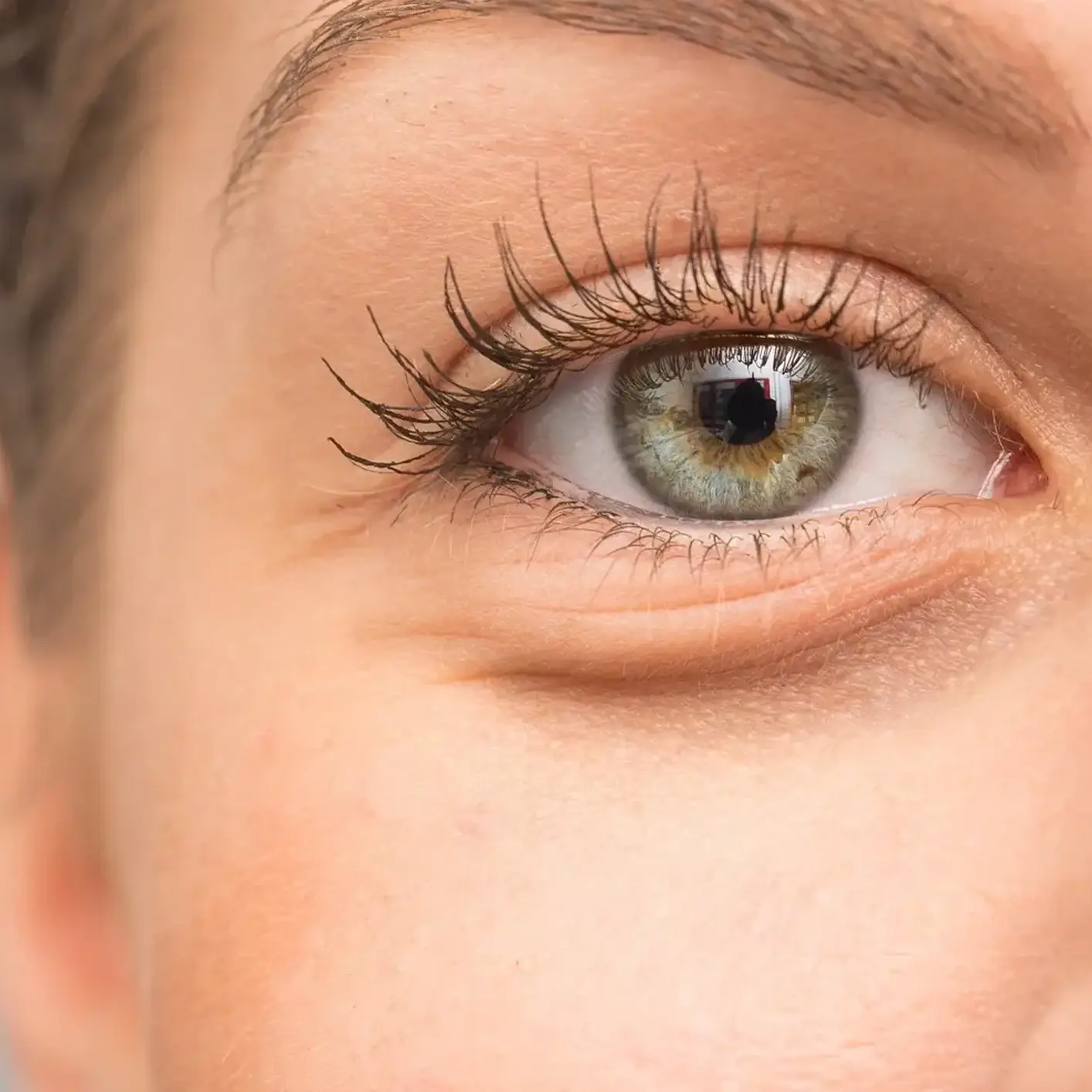
“Under-eye” is not one problem, so there is no single treatment for it. Tired-looking eyes usually come down to one — or a mix — of hollows (a shadowed groove that can sometimes be softened with tear-trough filler), eye bags (puffy, protruding fat that filler does not remove and often needs a surgical opinion), dark circles (pigment or visible vessels, which filler does not fix), and crepey, lax skin. Getting the cause right is the whole point — the wrong treatment simply will not work, and can make things look worse. Which of these you have, and whether treatment is even appropriate, is decided at an in-person assessment. This guide explains how to tell them apart and what genuinely helps each.
Few areas are as commonly misunderstood as the under-eye. People often ask for “under-eye filler” assuming it will fix everything, when in reality filler only addresses one of several possible causes. This guide walks through the four main under-eye concerns, what actually treats each, and when the honest answer is a different treatment — or a referral. It complements our under-eye concern page.
Why one treatment can’t fix every under-eye concern
The under-eye is a small area with several different things going on beneath it: the position of the bone and fat, the thickness and colour of the skin, and the vessels that sit just below a very thin surface. A treatment that helps one of these does nothing for the others. That is why a careful look — ideally in person and in good light — matters more here than almost anywhere else on the face.
| Under-eye concern | How to tell | What can help | What won’t |
|---|---|---|---|
| Hollow (tear trough) | A shadowed groove; less obvious in flat light | Tear-trough filler (after assessment) | Won’t lighten pigment or remove bags |
| Eye bags | Puffy, protruding; often worse on waking | Often a surgical opinion; sometimes softening the transition | Filler doesn’t remove bags — can worsen puffiness |
| Dark circles | Colour change — brown (pigment) or blue/purple (vessels) | Skincare, pigmentation treatment; skin quality for vessels | Filler doesn’t fix pigment or vessels |
| Crepey / lax skin | Fine, thin, papery texture | Skin-quality injectables (polynucleotides, skin boosters) | Won’t fill a hollow or remove a bag |
1. Hollows (the tear trough)
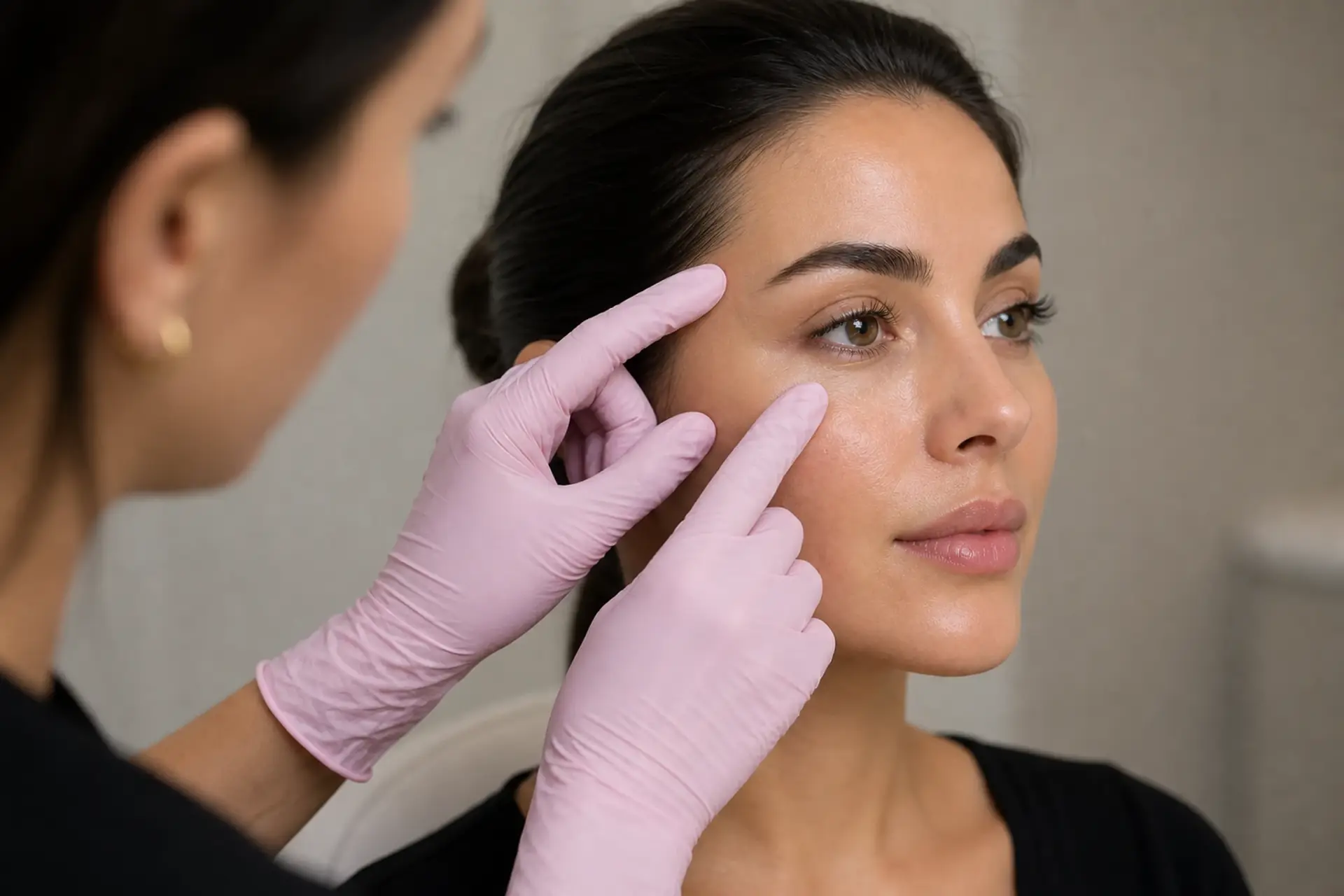
A tear-trough hollow is a shadowed groove where the lower eyelid meets the cheek, often caused by anatomy or volume loss. This is the one under-eye concern that tear-trough filler can genuinely soften, by gently supporting the groove so it casts less of a shadow. It is a delicate, higher-risk area, so it should only be done after assessment by an experienced medical injector — and it is not right for everyone. Our full tear-trough filler guide covers the technique, results, risks and cost in detail. Importantly, filler here can reduce a shadow; it does not remove bags or lighten pigment.
2. Eye bags (puffiness)
True eye bags are usually protruding fat, sometimes with fluid, that sits forward and creates puffiness. This is the concern people most often hope filler will fix — and it generally will not. In some cases, carefully placed filler can soften the transition around a bag, but it does not remove the bag itself, and adding volume to a puffy area can make it look worse. Where bags are significant, the more honest route is often a surgical opinion (lower-eyelid surgery), and we will tell you if that is the case rather than sell you a treatment that cannot deliver.
3. Dark circles
Dark circles have more than one cause, and the cause decides the treatment:
- Pigmentation — extra melanin in the skin, often genetic and more common in some skin tones. This is addressed through skincare and pigmentation treatment, not filler.
- Vascular — visible vessels showing through thin skin, giving a blue or purple tone. Improving skin quality can help the appearance, but this is difficult to eliminate.
- Shadow — darkness that is actually a hollow casting a shadow. This is the type where addressing the tear trough can help.
Dark circles can also be influenced by tiredness, dehydration, allergies and, occasionally, medical factors such as low iron or thyroid changes. If yours have appeared suddenly or are marked, it is worth a word with your GP as well.
4. Crepey or lax under-eye skin
Thin, crepey or lax skin under the eye is a skin-quality issue rather than a volume or pigment one. Skin-quality injectables such as polynucleotides or skin boosters are sometimes used to improve texture and hydration in this area. They will not fill a hollow or remove a bag — they target the surface quality of the skin.
“Before and after”: what to look for
Under-eye “before and after” photos are worth reading carefully. Because lighting changes shadows so dramatically here, a different angle or brighter light can make a result look far greater than it is. Genuine photos should be the same person, same lighting and angle, unretouched and shown with consent — and even then they reflect that person’s starting point, not a guarantee of yours. In consultation we will be specific about what is realistic for your under-eye.
When filler is the wrong answer
Because the under-eye is unforgiving, over-treating it is a common problem — puffiness, a bluish tinge, or filler that has moved. If you have had under-eye filler that does not look right, hyaluronic-acid filler can often be reduced with hyaluronidase — though in the under-eye area this is not guaranteed to restore the previous appearance and carries its own risks; see filler dissolving. The better path, though, is to get the assessment right first, so the correct treatment — if any — is chosen from the start.

What it costs
Because the right treatment depends on the cause, so does the cost. As a guide, tear-trough filler is around £500, filler dissolving (if ever needed) around £450, and skin-quality treatments for the under-eye typically start from around £250–£350 per session — all confirmed at consultation once a plan is clear. If your concern is pigment or true bags, the appropriate route (and its cost) is different again, and we will set that out honestly at assessment.
Frequently asked questions
Will filler get rid of my dark circles?
Only if the darkness is a shadow cast by a hollow. If it is pigmentation or visible vessels, filler will not lighten it — a different approach is needed, and that is why assessment comes first.
Can filler remove eye bags?
Generally no. True bags are protruding fat; filler does not remove them, and adding volume can make puffiness look worse. Significant bags are often better assessed for surgery.
Why do I still look tired after under-eye filler?
Usually because the filler treated a hollow but the tiredness was also coming from pigment, vessels or skin quality — things filler doesn’t address. A combined, cause-led plan can address causes that filler alone would not.
Is under-eye filler safe?
It is a delicate, higher-risk area, so it should be done by an experienced medical injector after assessment. HA filler here has the option, after assessment, of being reduced with hyaluronidase — though this is not an exact or risk-free reversal. We go through the specific risks with you beforehand.
What causes dark circles?
Most often pigmentation, visible vessels through thin skin, or a shadow from a hollow — sometimes a mix. Tiredness, dehydration, allergies and occasionally medical factors can contribute too.
Can dark circles be a sign of something medical?
Sometimes. If they have appeared suddenly or are marked, it is sensible to mention it to your GP alongside any cosmetic assessment, as factors like low iron can play a part.
What if I already have under-eye filler I don’t like?
Hyaluronic-acid filler can often be reduced with hyaluronidase after assessment, though this is not exact or risk-free. It is better still to get the assessment right first so the correct treatment is chosen from the start.