
Uneven Skin Tone
What causes uneven skin tone, and what can improve it?
Uneven skin tone — a complexion marked by patches of discolouration, redness, or irregular pigmentation rather than a smooth, even colour — is one of the most confidence-affecting skin concerns. At our doctor-led clinic in Shoreditch, London, Volt…
What Causes Uneven Skin Tone?
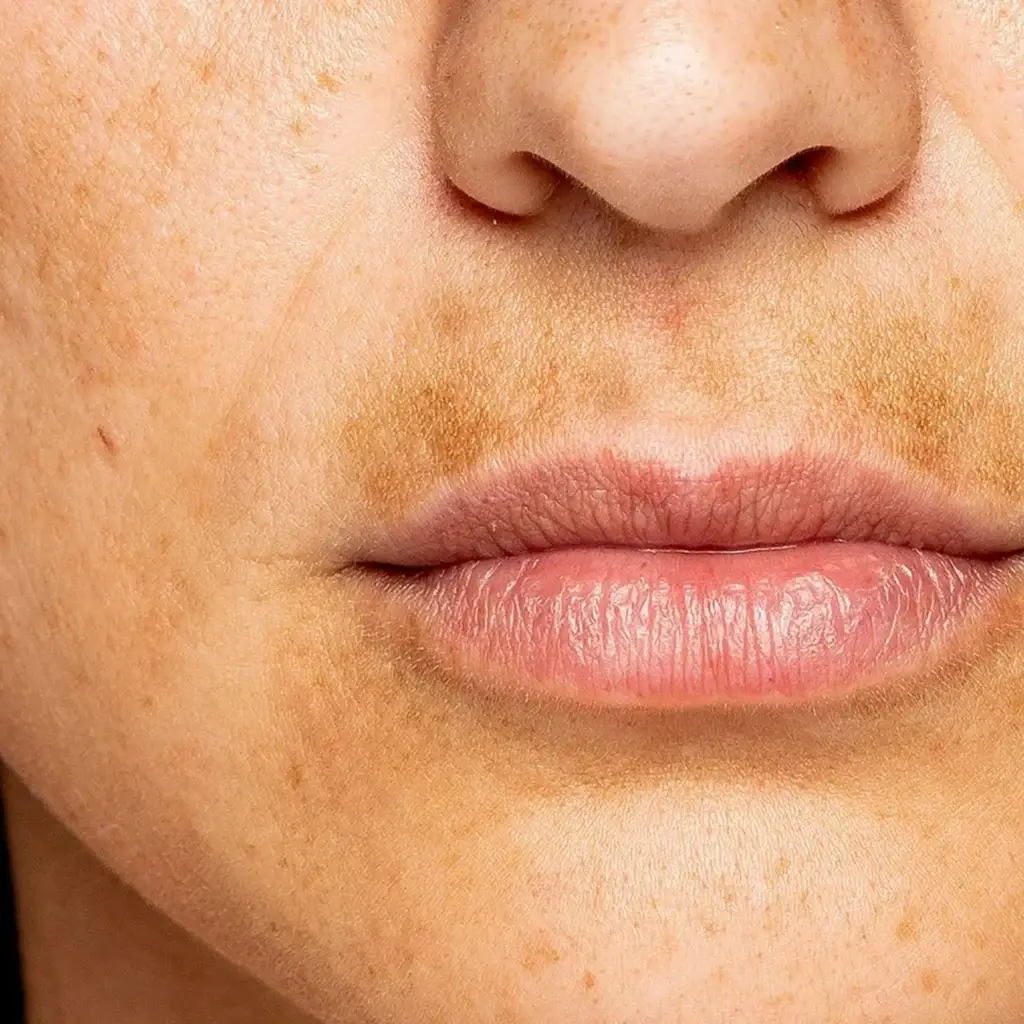
Uneven skin tone is caused by an irregular distribution of melanin, the pigment produced by melanocyte cells, combined with vascular irregularities and changes in skin quality. When melanocytes are overactivated in certain areas by UV exposure, inflammation, or hormonal changes, they produce excess melanin that deposits unevenly, creating dark patches, spots, or a generally blotchy complexion.
Vascular irregularities — including broken capillaries, redness, and flushing — also contribute significantly to an uneven complexion. These typically appear as reddish or pinkish patches across the cheeks and nose and are caused by UV-induced capillary wall weakening, rosacea, or generalised reactive skin responses.
Age-related changes in cellular turnover and collagen structure reduce the skin's ability to maintain an even surface. Post-inflammatory hyperpigmentation (PIH) from acne, injury, or skin reactions adds further irregularity and is a particularly common driver of uneven tone in patients with darker skin types.
Types of Uneven Skin Tone
Identifying what type of unevenness is affecting your complexion helps us select the most effective treatment combination.
Hyperpigmentation
Dark patches from sun spots, melasma, or post-inflammatory marks. Irregular melanin distribution creates obvious lighter and darker areas. IPL is particularly effective for flat, brown pigmentation.
Redness and Broken Capillaries
Redness or flushing from broken capillaries or rosacea contributing to uneven tone. The complexion appears blotchy, with red or pink patches disrupting overall colour evenness. IPL can target both pigment and redness.
PIH from Acne or Injury
Dark marks left after acne breakouts, rashes, or skin injury. These create a patchy, uneven complexion that can persist for months without treatment. Responds to IPL and gentle resurfacing.
Melasma
Symmetrical brown patches caused by hormonal triggers. Requires careful treatment selection because aggressive heat-based treatments can worsen melasma. A conservative, staged protocol is essential.
Solar Tone Irregularity
Decades of UV exposure creating an overall irregular, sallow complexion with multiple different-sized spots and discolouration. IPL and CO2 laser together address both surface and deeper tone changes.
Dullness and Sallowness
A general grey or yellow cast to the skin reducing vibrancy and evenness. Caused by slow cell turnover, dehydration, and oxidative stress. Resurfacing and brightening treatments restore overall skin clarity.
Why Choose Volt Cartel for Uneven Skin Tone Treatment in London?
Uneven skin tone results from different mechanisms — solar-induced pigmentation, post-inflammatory hyperpigmentation, vascular irregularity, and melasma — each requiring a different approach. Lumecca IPL, for example, is effective for solar pigmentation but must be used with caution in patients with melasma or deeper Fitzpatrick types. Our doctors classify your tone irregularity before any treatment is planned.
Lumecca IPL targets melanin and haemoglobin, clearing brown spots and redness simultaneously. CO2 laser resurfacing is used for more resistant or complex pigmentation. Microneedling with polynucleotides supports even cellular regeneration and can improve tone regularity through stimulated collagen and elastin production.
Patients with mixed pigmentation — including both brown spots and underlying redness — typically achieve better results from a combined Lumecca and skin booster approach, addressing the vascular and pigmented components while improving the skin's barrier and overall radiance.
Patients with deeper Fitzpatrick skin types require lower energy settings, careful assessment, and potentially more sessions to achieve results safely. We will not proceed with any light-based treatment without a full Fitzpatrick assessment — and we'll be honest about the number of sessions required for your specific skin tone.
Located at 86–90 Paul Street, EC2A 4NE — a short walk from Old Street, Liverpool Street, and Shoreditch High Street stations.
What to Expect From Uneven Skin Tone Treatment
Treatment for uneven skin tone begins with a doctor-led skin assessment to identify the cause — whether it is sun-induced pigmentation, post-inflammatory hyperpigmentation from acne, hormonal melasma, or vascular unevenness from broken capillaries and rosacea. The cause determines the optimal treatment.
Lumecca IPL is effective for sun-induced and vascular unevenness, with visible improvement after each session. After treatment, pigmented lesions darken over one to two days before gradually shedding, revealing clearer, more even skin. A course of two to three sessions is typically recommended.
Chemical peels are also effective for improving skin tone, with treatment intensities adjusted to your skin type and goals. Downtime is typically two to four days of mild flaking, after which skin appears noticeably more even and luminous.
Sources and review basis
Uneven tone may involve pigmentation, redness, post-inflammatory change, sun exposure or a skin condition, so it should not be treated as one diagnosis. Dermatology guidance notes that procedure choice and sun protection matter and that some interventions can worsen pigmentation, particularly without an accurate assessment.
Treatments that may be considered
These are relevant routes, not recommendations. Suitability depends on assessment, medical history and the specific cause of the concern.
Questions people ask
How quickly will my skin tone even out with IPL?
Many patients notice a noticeable improvement in skin clarity and tone evenness within 1–2 weeks of their first Lumecca IPL session. Treated pigmentation typically darkens briefly before naturally flaking away, revealing clearer skin. Most patients see a noticeable improvement after 2–3 sessions.
Can IPL treat both pigmentation and redness in the same session?
Yes — this is one of Lumecca IPL's greatest advantages. It simultaneously targets both melanin, for pigmentation and sun spots, and oxyhemoglobin, for broken capillaries and redness, in a single treatment session, delivering improvement in tone efficiently.
Will my uneven tone return after treatment?
With diligent sun protection, treated pigmentation is less likely to return, though some types such as melasma can recur. However, new tone irregularity can develop from ongoing UV exposure, hormonal changes, or further inflammation. Daily SPF50+ use is the single most important factor in maintaining treatment results.
Is it safe to treat uneven tone on darker skin?
It can be, with appropriate treatment-parameter selection. Darker skin types require more careful calibration to avoid post-inflammatory hyperpigmentation. Our clinicians are experienced in treating a range of Fitzpatrick skin types, with extra care in darker skin and will always recommend the most appropriate approach for your specific skin tone.
How much does uneven skin tone treatment cost in London?
Lumecca IPL for uneven skin tone starts from £300 per session at Volt Cartel. Chemical peel programmes start from £150 per session. A course of two to three sessions is recommended for most patients, with package pricing available. All costs are confirmed at consultation.
What causes uneven skin tone on the face?
Uneven skin tone is caused by irregular distribution of melanin (pigment) in the skin, often triggered by sun exposure, hormonal changes, post-acne marks, or inflammation. Vascular unevenness — caused by broken capillaries and redness — can also contribute significantly to an uneven complexion.
Can vitamin C help with uneven skin tone?
Vitamin C serums can support a more even complexion by inhibiting melanin production and providing antioxidant protection against UV-induced pigmentation. However, for established unevenness, professional treatments deliver more noticeable results. Vitamin C is best used as a maintenance and protective measure after professional treatment.
How long does it take to see results from skin tone treatment?
IPL treatment produces visible improvement in the weeks following each session as treated pigmented lesions shed. Chemical peels show results within one to two weeks of treatment. Most patients achieve their desired level of skin tone improvement within six to ten weeks of beginning a course of treatment.
Have the concern assessed properly
A consultation considers what you are seeing, possible causes, realistic options and whether any clinic treatment is appropriate — including none.