
Quick answer
“Pigmentation” is not one condition. Sun-related marks, melasma (a hormonal, stubborn, recurring pattern) and post-inflammatory pigmentation (marks left after spots or injury) look similar but behave very differently — and the wrong treatment can make some of them worse. Melasma in particular can flare with heat and light, so aggressive lasers are not always the answer, and darker skin tones carry a higher risk of pigment being triggered by treatment. For most people, diligent sun protection and the right skincare are the foundation, with in-clinic treatment chosen carefully on top. Pigmentation is usually managed rather than cured, and getting the type — and the safety — right is the whole point.
If you are trying to fade dark patches or an uneven skin tone, the most important step is understanding which kind of pigmentation you have, because that decides what is safe and likely to help. This guide explains the main types, what treats each, why darker skin needs extra care, and when a mark should be checked medically.
Why the type of pigmentation matters
Different pigmentation has different causes and triggers, and a treatment that helps one can aggravate another. Melasma is the clearest example: treatments that rely on heat or intense light can sometimes worsen it. That is why a careful diagnosis — ideally in person and in good light — comes before any treatment, rather than reaching for a single “pigmentation” device.

The main types
- Sun damage (age spots, sun spots) — flat brown marks from cumulative sun exposure. Often the most responsive to treatment, though sun protection is essential to keep results.
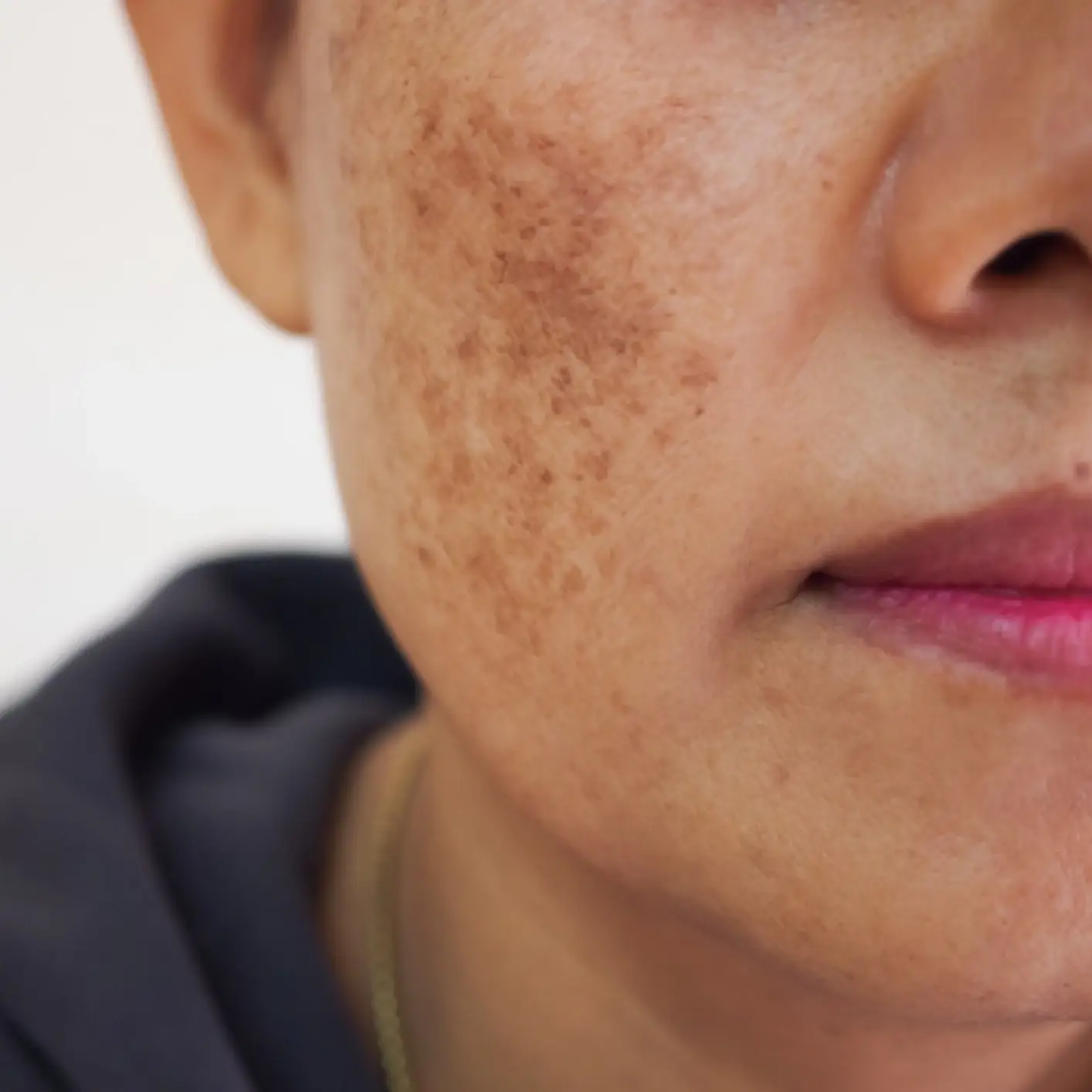
- Melasma — larger, symmetrical patches often on the cheeks, forehead or upper lip, linked to hormones and sun/heat. It is stubborn, prone to recurrence, and easily aggravated, so it is treated cautiously and conservatively.
- Post-inflammatory pigmentation (PIH) — marks left after acne, injury or even a harsh treatment. More common and often more persistent in darker skin. It usually fades over time with the right care, and avoiding further inflammation matters.
- Freckles — genetic and sun-influenced; generally harmless.
What actually helps
For almost everyone, the foundation is the same: daily sun protection and appropriate skincare, without which any in-clinic result will fade or rebound. On top of that, options may include pigmentation treatment, and for sun-related marks, light-based treatment such as Lumecca IPL in suitable skin types — but light and laser treatments are chosen carefully and are not appropriate for everyone, particularly with melasma or darker skin. What is right for you, if anything, is decided at assessment.
Darker skin tones need extra care
The higher the skin’s natural pigment, the greater the risk that heat, light or aggressive treatment triggers more pigmentation rather than less. This does not mean nothing can be done — it means treatment must be chosen and dosed conservatively by a practitioner experienced in darker skin, often starting gently and with a test approach. Being told a device is safe for all skin tones without that nuance is a reason for caution.
Realistic expectations
Pigmentation is usually about management, not a one-off cure — especially melasma, which tends to recur and needs ongoing sun protection and maintenance. Improvement is gradual, results vary, and consistency (particularly with sun protection) matters more than any single treatment.
When a mark should be checked medically
Cosmetic treatment is only appropriate once anything concerning has been ruled out. A mole or mark that is changing in size, shape or colour, has an irregular border or more than one colour, is itching or bleeding, or simply looks different from your others should be checked by a GP or dermatologist before any cosmetic treatment. If in doubt, get it looked at.
What it costs
Because the right approach depends on the type of pigmentation, so does the cost. As a guide, light-based treatments such as IPL start from around £175–£300 depending on the area, with skincare and a tailored plan discussed alongside. The plan — and quote — are confirmed at consultation once the type is assessed. These are guide prices and do not commit you to treatment.
Frequently asked questions
Can pigmentation be cured?
It is usually managed rather than cured. Many marks improve significantly with the right plan, but melasma in particular tends to recur, so maintenance and sun protection are ongoing.
Is laser or IPL safe for melasma?
Not always — heat and light can worsen melasma, so these treatments are used cautiously if at all, and the plan is decided after assessment rather than assumed.
I have darker skin — can I still be treated?
Often yes, but treatment must be chosen and dosed conservatively by someone experienced in darker skin, because of the higher risk of triggering more pigmentation.
Why does my pigmentation keep coming back?
Usually because the trigger — most often sun, and with melasma also hormones and heat — is ongoing. Sun protection is the single most important step in keeping results.
What treats dark marks left after acne?
Post-inflammatory pigmentation often fades with the right skincare and time; avoiding further inflammation is key, and a tailored plan is agreed at assessment.
When should I see a doctor rather than seek treatment?
If a mark is changing, has an irregular border or colour, itches or bleeds, or looks different from your others, have it checked medically before any cosmetic treatment.


